The Statutory Test & Evolving Case Law
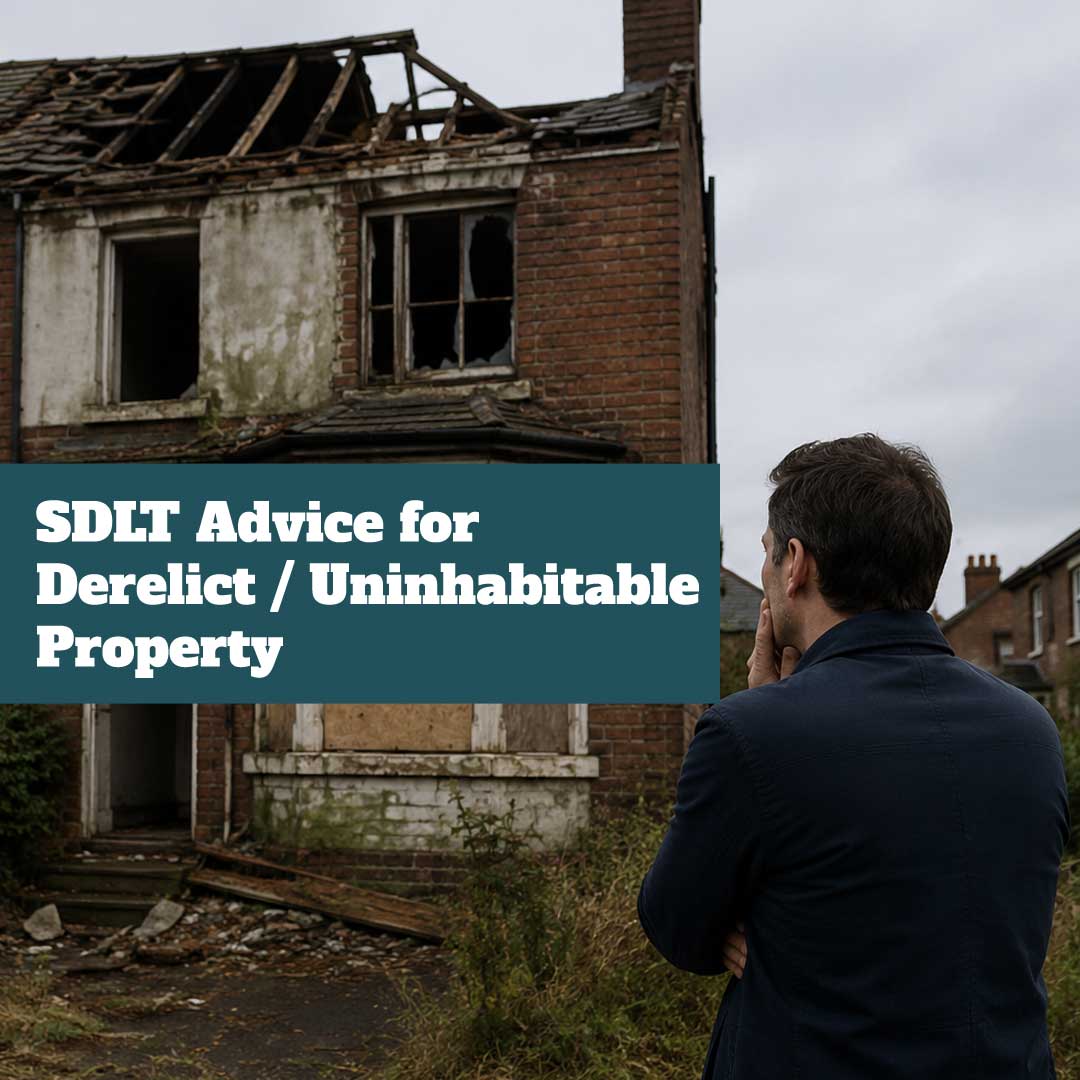
A common misconception among buyers is that any property needing extensive renovation or deemed “unmortgageable” automatically qualifies for non-residential SDLT rates or a tax refund. Terms like “uninhabitable,” “derelict,” or “unfit for mortgage purposes” are commercial descriptions they carry no statutory weight.
Under Section 116 of the Finance Act 2003 (and Schedule 4ZA for higher rates transactions), the statutory definition of residential property centers on whether a building is “used or suitable for use as a single dwelling.”
The judicial interpretation of “suitability for use” has evolved significantly through key First-tier Tribunal (FTT) and appellate decisions:
P N Bewley Ltd v HMRC [2019] UKFTT 65 (TC): Established the foundation that a building containing severe structural defects (such as toxic asbestos and broken heating/plumbing) that prevented immediate safe occupation was not “suitable for use as a dwelling” at completion, making it non-residential.
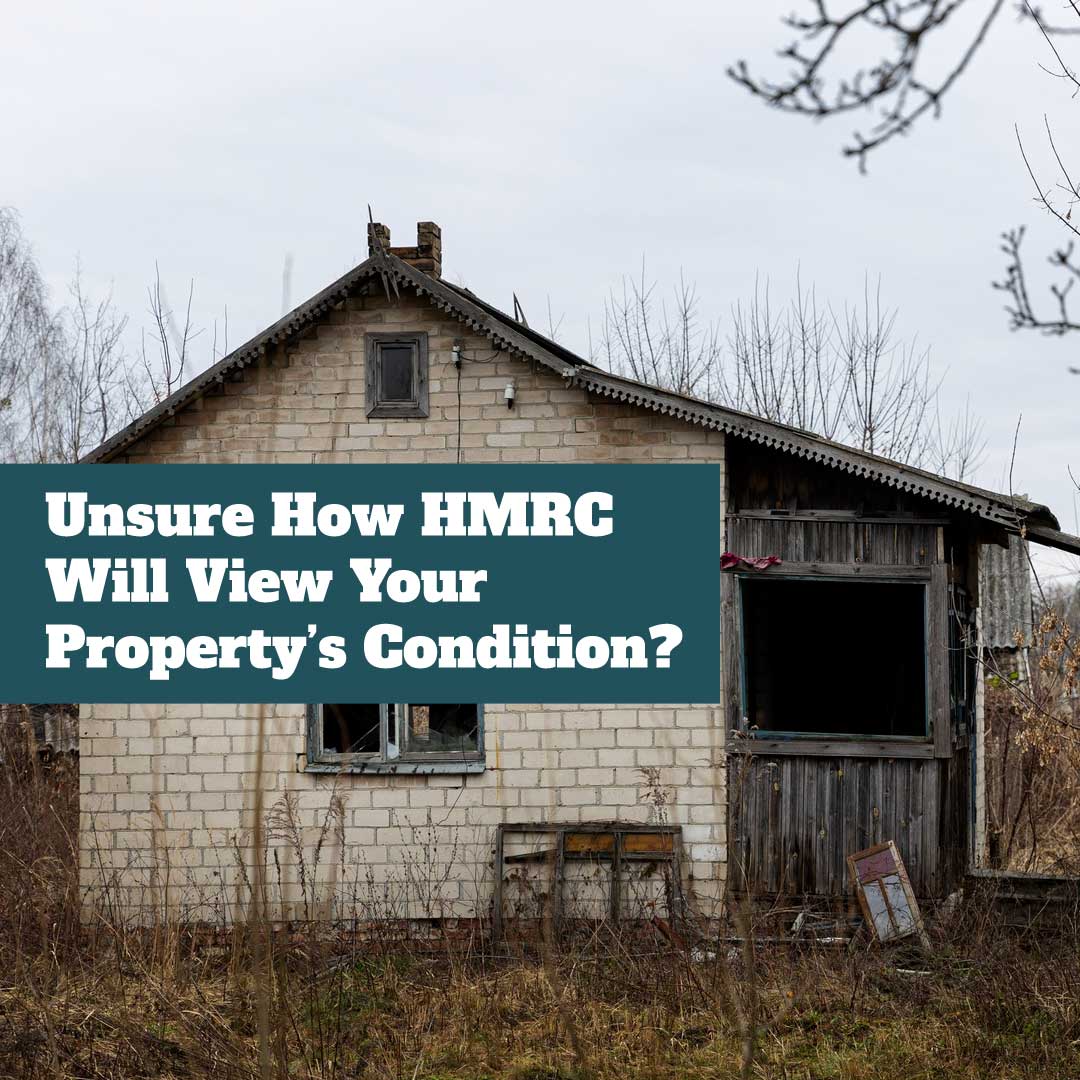
Mudan v HMRC [2025] EWCA Civ 799: The Court of Appeal set a significantly higher bar for taxpayers. The court affirmed that suitability must be judged strictly at the effective date based on actual physical attributes, confirming that disrepair requiring repair or renovation does not displace residential status a question of degree that rejected the taxpayers’ claim for a severely vandalised property.